Alexa Beacham
Doctoral Student, Basic and Applied Social Psychology
B.S., Biology & Applied Ethics, Ursinus College
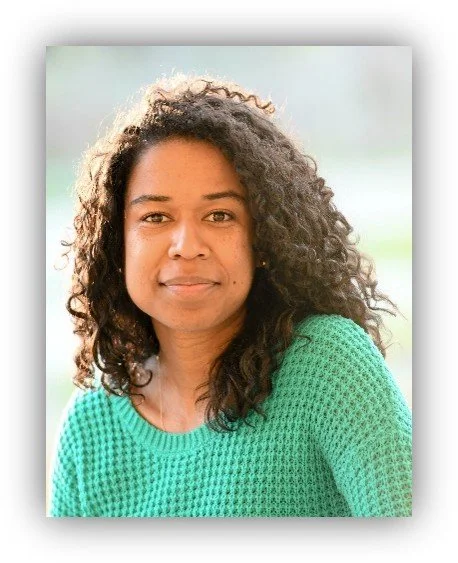
Alexa is a doctoral student in Basic and Applied Psychology at the Graduate Center in the City University of New York. Alexa is interested exploring how individuals’ experiences in healthcare can promote HIV prevention and PrEP uptake & continuation. Before joining HART, Alexa held a technical assistance role where she worked with the Office of Addiction Supports and Services (OASAS) on system quality improvement. She also worked at Partnership to End Addiction on a mobile intervention intended to reduce risky drinking in postpartum people.

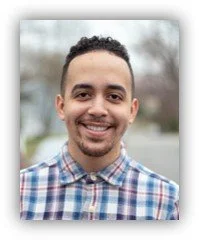
Elijah is a study coordinator at HART working primarily with Dr. Klein on projects related to trauma-informed approaches to healthcare and research, sexual health for trans men and trans masculine people, heatlh education and knowledge dissemination, and community engagement. Previously, Elijah worked as a research coordinator in the transgender surgery program at NYU Langone Health, and as a medical case manager in the Health Outreach to Teens (HOTT) program at Callen-Lorde Community Health Center. For over five years, he has provided peer and community support and education on topics related to trans healthcare and surgery navigation (especially genital surgeries). He is particularly interested in research related to patient-provider relationships, clinical ethics, and informed consent, as well as the relationship and interaction between trans surgeries and embodiment.
ELIJAH CASTLE
Study Coordinator
B.F.A, Filmmaking, Montclair State University

Ariel is a Program Manager who works primarily on Project PACE, evaluating the implementation of a new strategy to enhance equity-focused HIV prevention in New York City. Prior to joining the HART team, she supported research projects focused on adolescent sexual health, addiction medicine and using simulation to improve maternal health outcomes. She also has experience as a birth worker, supporting both birthing and postpartum families. Ariel is committed to reducing disparities in access to quality care and improving outcomes for those accessing sexual and reproductive health care services.
Ariel de Roche
Research Program Manager
ariel.roche@hunter.cuny.edu
M.S., Epidemiology, Columbia University, Mailman School of Public Health
B.S., Biology, University at Albany, State University of New York

Liz works as a Research Associate with HART, where she focuses on ALAI-UP, Project PACE, and BLUPrInt. She has over 10 years of experience in qualitative research, strategic communications, and patient journey mapping. Liz is well-versed in a range of qualitative methodologies, such as: ethnography, standardized patient dialogue simulations, digital diaries, focus groups, and one-on-one interviews. Liz is committed to health justice—she seeks to dismantle racism and other forms of subordination that have prevented people from accessing resources and achieving the highest attainable standard of health. Originally trained as an art historian, she is a big believer in the power of design and visual health communications to make technical topics more widely accessible, digestible, and equitable.
Elizabeth Furuya
Research Associate
elizabeth.furuya@hunter.cuny.edu
M.P.H. NYU School of Global Public Health
B.A., Asian Studies, Certificate of Advanced Study in Japanese Language & Literature, Carleton College

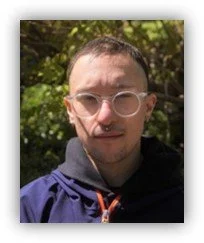
Bryant is a doctoral student in Basic and Applied Social Psychology at the Graduate Center, City University of New York. Before joining CUNY & HART, Bryant worked for Braven, a nonprofit organization that empowers promising underrepresented young people on their paths to quality economic opportunities. Bryant's current research interests are racial-ethnic identity integration, sociocultural norms, stereotype threat, well-being, and urban health disparities. His current goal is to apply community-participatory research principles/methods and intervention science to address the social psychological outcomes associated with identity integration and educational inequity among first-generation and BIPOC communities.
BRYANT GOMEZ
Doctoral Student, Basic and Applied Social Psychology
bgomez@gradcenter.cuny.edu
B.A., Summa Cum Laude, Honors in Psychology, Rutgers University-Newark

Ricky’s research explores the boundaries of acceptable intimate touch behaviors within heterosexual men’s homosocial friendships—as well as the cues, rewards, and punishments driving these experiences of platonic physical touch. This work is part of Ricky’s broader research agenda, which seeks to investigate intimate homosocial friendship as a mechanism by which contemporary men (mainly heterosexual, cisgender white men) can build community and pro-socially adapt to the rapid changes in status, power, acceptable limits of behavior, and understandings of masculinity; changes they currently seem to be struggling to adapt to, as evidenced by concordant increases in adverse psychosocial outcomes (e.g., alienation, loneliness, suicide, alcoholism, political radicalization). This emphasis on the connection between gendered behaviors and psychosocial outcomes is informed by Ricky’s experiences at the University of Michigan, where he earned his M.P.H. working alongside Dr. Gary Harper investigating the intersection of masculinity, sexual behavior, and mental health outcomes. In his spare time, Ricky runs a book club, Book Brothers, bringing local men together to read and discuss books exploring men’s issues.
Ricky granderson
doctoral student, basic and applied social psychology
rgranderson@gradcenter.cuny.edu
M.P.H., Health Behavior & Health Education, University of Michigan
M. Phil, Basic & Applied Social Psychology, CUNY Graduate Center

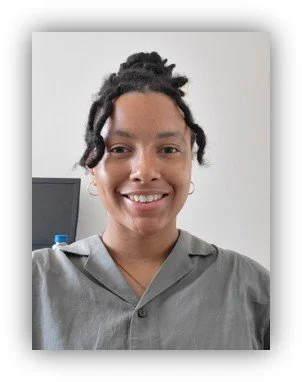
Imani is a Study Coordinator at HART, working primarily on Project PACE. She has long been interested in preventive medicine and understanding how a holistic approach to health care more efficiently meets the needs of patients. Prior to joining HART, Imani worked in human services as a direct support professional, a role that later motivated her decision to conduct graduate research on neurodevelopment and support qualitative research on the performance of public service systems. She has also worked in family medicine, providing administrative support to health care providers and patients. Imani is interested in research that sheds light on the social determinants of health inequity to improve access to quality care for marginalized populations.
Imani Hall
Study Coordinator
imani.hall@hunter.cuny.edu
M.S., Biochemistry and Molecular Biology, Pace University, Dyson College of Arts and Sciences
B.S., Biology, St. Joseph’s University New York
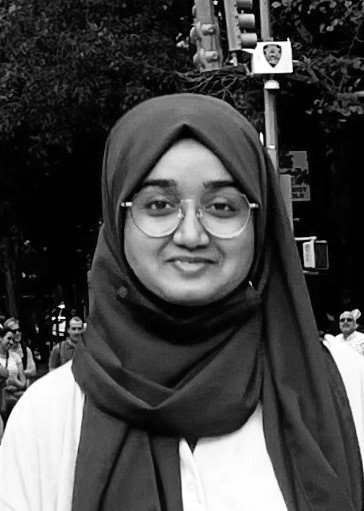
Haniya's research interests primarily revolve around investigating the antecedents and consequences of religious and other identity-based stigma using social identity and intersectionality frameworks. In the past, she has conducted stigma and prejudice-focused research by employing survey experiments and natural language processing techniques. Her latest studies focus on how stigma drives endorsement of certain conspiracy theories. Prior to joining BASP and HART, Haniya worked at the Sidanius Lab (Harvard University), and was a research assistant and program manager for a project funded by the International Growth Centre, UK.
Haniya Rumaney
Doctoral Student, Basic and Applied Social Psychology
M.A., Applied Psychology, Tata Institute of Social Sciences, Mumbai

Maria is currently a second-year PhD student in CUNY’s Basic and Applied Social Psychology Program. Her research is grounded and contextualized in strengths-based and community-based participatory methodology and is broadly aimed at interrogating societal conceptualizations of risky behaviors, examining the protective psychological factors that buffer against stigma, exploring the social and structural context of substance use and disease transmission, and scaling up harm reduction efforts. Prior to coming to HART, Maria developed a repertoire of trans- and interdisciplinary skills and perspectives through her work at the United Nations Office of Drugs and Crime, the National Drug Early Warning System Project, and the Developmental Social Neuroscience Lab at the UNC Chapel Hill. Maria is an enthusiast of the Oxford comma, roller skating, and all things music.
Maria Sobrino
Doctoral Student, basic and applied social psychology
msobrino@gradcenter.cuny.edu
B.S., Psychology, University of Florida
B.A., English, University of Florida

Lila works as a data analyst with HART. She has 15 years of diverse experience in the fields of sexual health, LGBTQ health, and community programs. Her experience prior to HART spans research and evaluation, program design and implementation, sex education and training, public health city government roles, data management and analysis, research dissemination and communication, stakeholder engagement and partnership development, and queer sex positive community work. She works on multiple projects within HART, with a focus on analytic methods, research dissemination, and data management. She is particularly interested in resilience and stigma, queer relationships and sexualities, interventions targeting social and structural contributors to health disparities, and longitudinal research design and analysis.
lila starbuck
data analyst
M.P.H., Epidemiology and Biostatistics, CUNY School of Public Health
B.A., magna cum laude, Psychology, Brandeis University

Carly is a doctoral student in Basic and Applied Social Psychology at the Graduate Center, City University of New York (CUNY). Prior to joining HART in May of 2022, Carly worked at The PRIDE Health Research Consortium managing a portfolio of NIH-funded studies aimed at promoting sexual and psychosocial health among sexual and gender minority populations ages 13 to 60+. She also currently works in The Health Emotions and Relationships Team (HEaRT) Lab at Brooklyn College. Carly’s research investigates the multi-level barriers and facilitators to sexual pleasure equity, relationship functioning, and health in intimate relationships across the lifespan. Her current project is a 21-day-diary study that applies theories of intimate justice and interdependence to examine gendered dyadic predictors of orgasm (in)equity in young heterosexual relationships.
CARLY WOlfer
Doctoral Student, Basic and Applied Social Psychology
M.A., Health Education, Health & Behavior Studies, Teachers College, Columbia University
B.A., Psychological & Brain Sciences and Women’s Gender Sexuality Studies, Washington University in St. Louis